
When Can Babies Eat Fish Sticks?
Fish sticks can be offered from around 6 months of age. Learn how to modify fish sticks to lower the risk of choking and when you can serve a whole one.
Key Points
Fish sticks can be offered from the start of solids
Fish sticks can be introduced around 6 months of age, when baby is ready for solids, and most are made from pollock, a nutritious, low-mercury fish. They're often high in sodium, but an occasional taste is fine as part of a balanced diet.
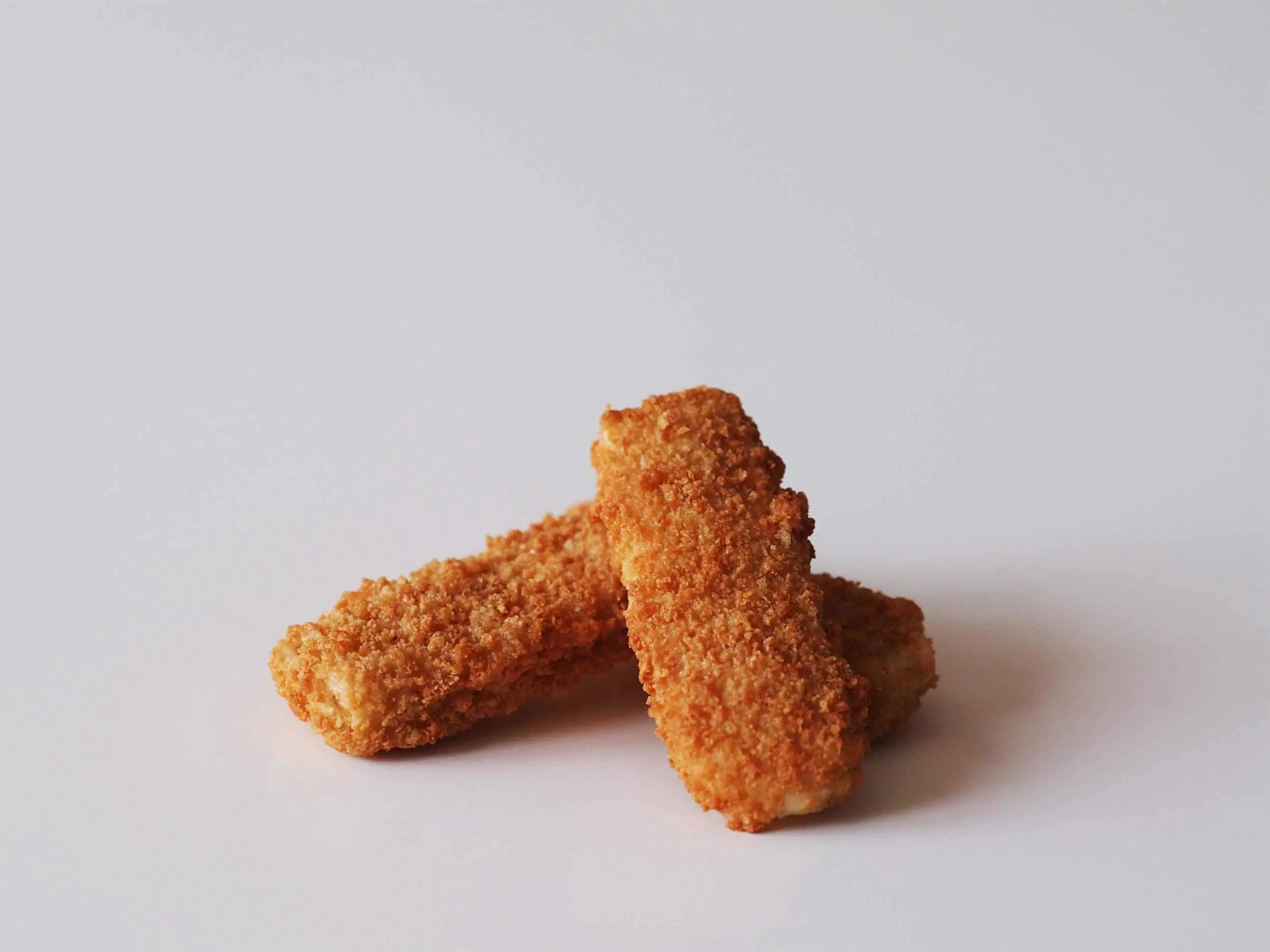
Remove the crunchy coating to lower the risk of choking
A crispy coating is hard to bite and chew, though soft coatings tend to pose a lower risk. Flake or mash the fish into porridge or vegetables, or offer bite-sized flakes once a pincer grasp develops.
Wait for mature eating skills before offering a whole fish stick
Some toddlers are ready around 24 months, while others need more time. Show how to take a bite from one, then offer one for the toddler to try.
When can babies eat fish sticks?
Fish sticks may be introduced as soon as baby is ready to start solids, which is generally around 6 months of age. While fish sticks are typically high in sodium, an occasional taste is fine as long as they are modified to reduce choking risk. Remove any crunchy coating, which is crispy and challenging to bite and chew, qualities that increase the risk of choking. If the coating is soft, the risk is low, although you can scrape off the coating if you prefer. The fish stick can be flaked or mashed into porridge or vegetables for baby to scoop. Once baby shows signs of a developing pincer grasp (where the thumb and pointer finger meet), flake the fish sticks (crunchy coating removed) into bite-sized pieces for the child to practice picking up. You can offer a whole fish stick with the coating once the child has plenty of practice chewing and managing crispy foods. Some toddlers may be ready around the 2nd birthday, while others will need more time to practice. Once you feel the toddler has gained these more mature eating skills and they are able to sit calmly and follow directions, offer a whole fish stick and explain how to eat it by modeling how it's done. Consider chewing slowly with your mouth open as you show how to use your teeth to break down the food, then offer one for the toddler to try.
Remember that fish is also a common allergen. When introducing fish for the first time, start with a small portion of well-cooked fish (canned or freshly cooked) and watch carefully after the first bite. If no symptoms of an allergic reaction develop after 10 minutes, offer the remainder at baby’s usual feeding pace. See Introducing Allergens to Babies for specific quantities, pacing, and fish introduction schedules.
★ Tip: Worried about sodium? Remember: the amount of sodium that babies eat tends to be low as they learn the skills to feed themselves, and some sodium in the diet helps support baby’s electrolyte balance, hydration, and movement. Food with a little sodium is fine as part of a balanced diet. Learn more about sodium in food for babies.
’Tis the Seasoning: A Season Full of Flavor, 40% off

’Tis the seasoning. Now 40% off.
First year of app subscription
Auto-renews at regular annual price
Related articles


For a limited time, receive 40% off your first year of the Solid Starts app when you start your membership on Solid Starts. Offer auto-applies at checkout. Subscription is activated upon purchase. Offer is valid for first-time customers only. Cannot be combined with other offers or applied to previous purchases. Coupon not eligible for active trials. Subscription auto-renews at the regular price after the first billing cycle unless canceled before renewal date. You can cancel or change your plan anytime by signing into your account on Solid Starts. Offer is valid through December 1, 2026 at 3:00 AM ET.